
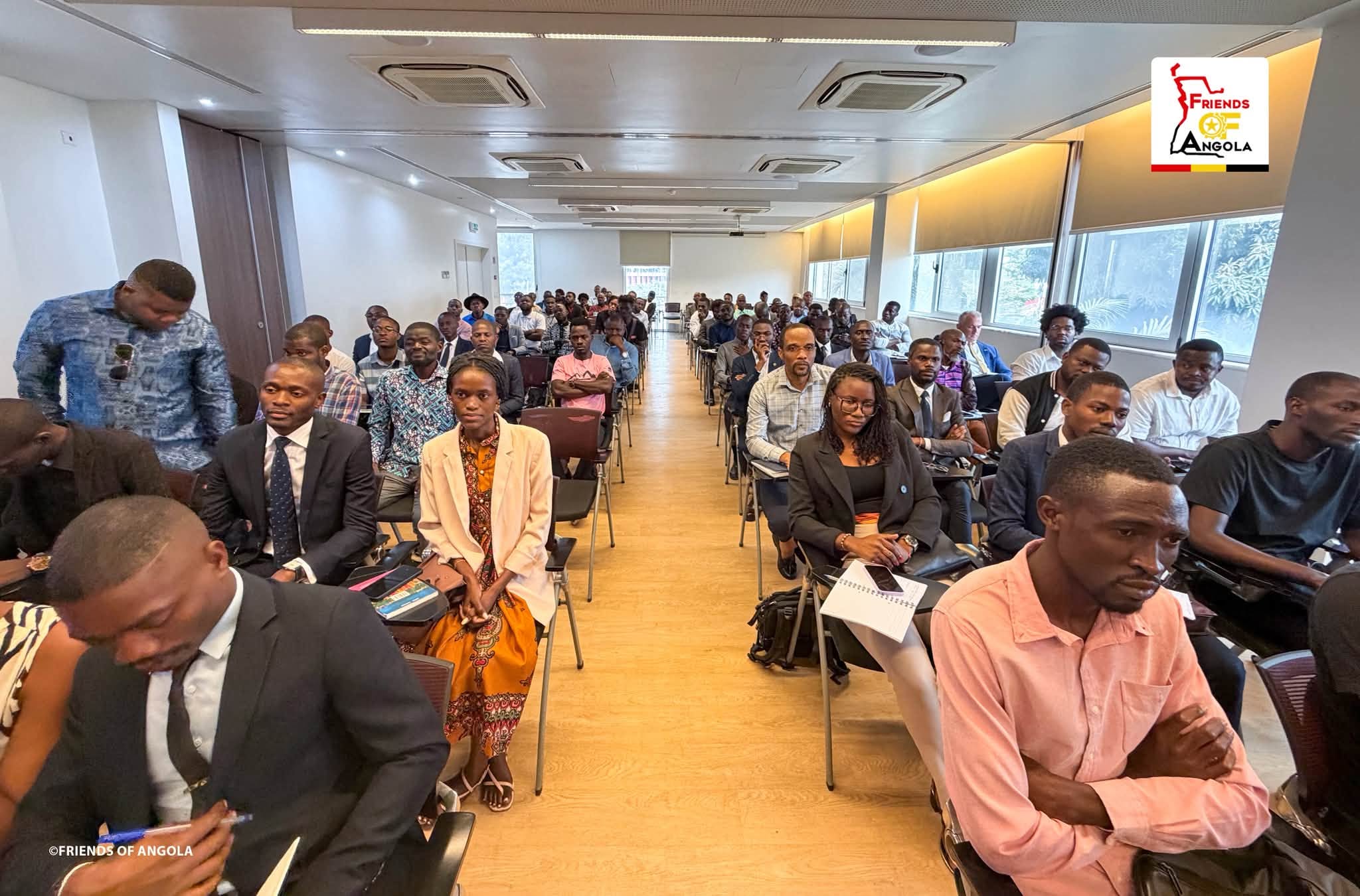
September 15, 2026 | Luanda, Angola
On the occasion of the International Day of Democracy, observed annually on September 15, Friends of Angola (FOA) joins the international community in reaffirming that democracy is not limited to the periodic holding of elections. It requires accountable institutions, respect for human rights, the rule of law, freedom of expression, meaningful citizen participation, and mechanisms that enable society to influence the decisions that affect people’s lives.
This year, the United Nations reminds us that democracy is a daily practice grounded in human rights, the rule of law, and the meaningful participation of all people in civic and political life. United Nations Secretary-General António Guterres has also emphasized the importance of dialogue, collaboration, and the inclusion of diverse perspectives, including those of civil society, in building more peaceful, inclusive, and resilient societies.
Angola: Recognizing Progress, Addressing the Challenges
Since the transition to multiparty democracy, Angola has made important progress along its democratic journey. The country has held successive general elections, witnessed greater participation by citizens and civil society organizations in public debate, and seen the emergence of a new generation of young people, journalists, activists, academics, and community organizations demanding greater transparency, participation, and accountability in the management of public affairs.
The expansion of digital platforms and independent media has also created new spaces for citizens to express their views, raise concerns about problems affecting their communities, and participate in the debate about the country’s future.
These are important gains that must be recognized and protected.
However, the existence of elections and formally democratic institutions does not, in itself, mean that the process of democratization has been consolidated.
Angola continues to face significant challenges related to freedom of expression, assembly, and association; the independence and pluralism of the media; political participation; accountability of public institutions; and the effective protection of civic space. National and international organizations have expressed particular concern about recent legislative measures that expand the State’s administrative powers over civil society organizations and may restrict fundamental rights.
The 2027 Elections Will Be an Important Test
As Angola approaches the 2027 general elections, the country has a historic opportunity to deepen citizens’ confidence in democratic institutions.
FOA considers it essential that the next electoral process be free, fair, transparent, inclusive, and credible, and that all political contestants be able to participate on an equal footing.
To achieve this, transparency and public confidence must be strengthened at every stage of the electoral process—from voter registration to voting, counting, transmission, tabulation, and the announcement of results.
It is equally important to ensure equitable access by political parties to public media, protect journalists and observers, enable meaningful civil society participation, and ensure that institutions responsible for administering elections and resolving electoral disputes operate with independence, impartiality, transparency, and credibility.
Democracy Also Means Protecting Those Who Disagree
A healthy democracy should not fear criticism.
Citizens must be able to question the Government, organize peaceful demonstrations, establish associations, investigate corruption, practice independent journalism, participate in political parties, and defend positions that differ from those of the authorities without fear of intimidation, violence, arbitrary detention, or other forms of retaliation.
Civil society should not be viewed as an adversary of the State. On the contrary, independent organizations, journalists, human rights defenders, churches, universities, professional associations, and youth movements play an indispensable role in building institutions that are more accountable and responsive to citizens.
The United Nations itself highlights civil society, independent media, and youth-led movements as important components in building resilient democratic cultures, particularly in contexts where civic space is under pressure.
Democracy Must Deliver Results for Citizens
For Friends of Angola, democracy must also be assessed by its ability to improve people’s lives.
A democratic system should enable citizens to participate in decisions concerning education, healthcare, employment, housing, social protection, natural resources, public budgets, and the development of their communities.
Transparency in the management of public resources, the fight against corruption, judicial independence, and the accountability of public officials are not separate from democracy. They are essential elements of democracy.
When citizens are unable to hold those who govern accountable, when public resources are not managed transparently, or when institutions cease to function independently, public trust declines and democracy itself is weakened.
The Road Angola Still Needs to Travel
On this International Day of Democracy, Friends of Angola considers it a priority for Angola to make progress, among other areas, in strengthening the independence of democratic and judicial institutions; guaranteeing free, fair, and transparent elections; protecting freedoms of expression, the press, association, and peaceful assembly; reviewing laws that may disproportionately restrict civic space; increasing transparency and accountability in the management of public resources; effectively combating corruption; increasing the participation of women and young people in decision-making; strengthening local governance and community participation; and promoting political dialogue and tolerance among the Government, opposition, civil society, and citizens.
Angola must also build a political culture in which political alternation, differences of opinion, and public scrutiny of those in power are understood as normal components of democracy rather than threats to the State.
A Collective Commitment to the Future
Angola’s democratization is not the exclusive responsibility of the Government, political parties, or civil society. It is a collective responsibility.
The Government must create and protect the institutional conditions necessary for people to exercise their rights. Political parties must democratize their own structures and promote tolerance. Public institutions must serve citizens with independence and professionalism. Civil society must continue to monitor, educate, and mobilize. And citizens must actively participate in building the country they want.
On this September 15, Friends of Angola calls on all public institutions, political parties, civil society organizations, media outlets, the private sector, faith communities, young people, and Angolan citizens to renew their commitment to a more democratic, inclusive, transparent, and accountable Angola.
As the United Nations’ 2026 message reminds us, choosing “dialogue over division” strengthens democracy.
Angolan democracy must be built not only during elections, but every day, through respect for human rights, citizen participation, accountability, and institutions that genuinely serve the people.
Sincerely,
Florindo Chivucute
Executive Director
Friends of Angola