
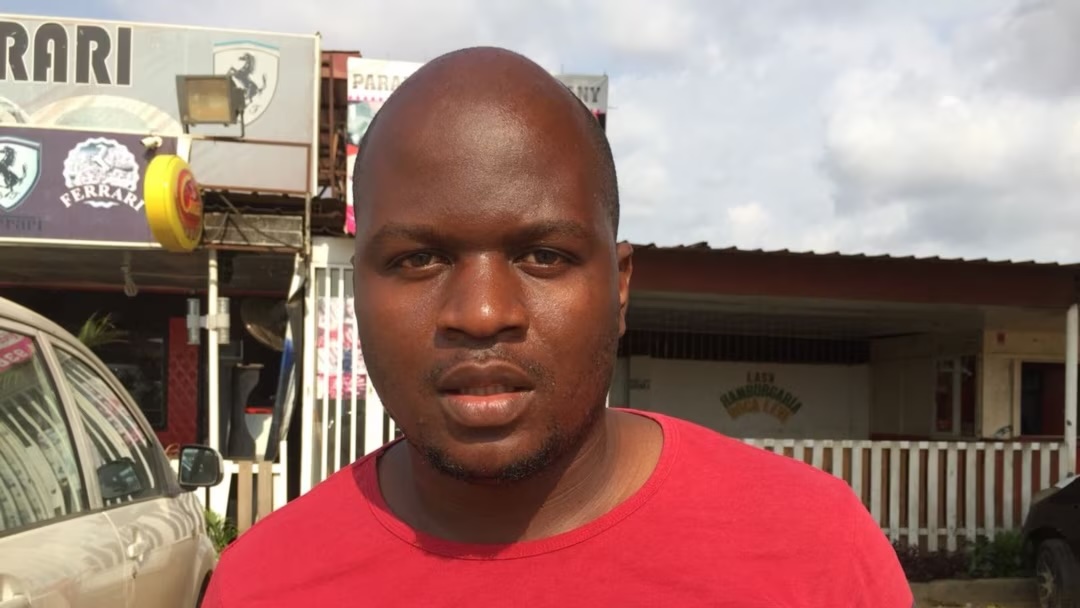
Image: VOA
By Florindo Chivucute
As Angola approaches its 2027 general elections, a quiet yet potentially decisive transformation is underway. It is not taking place within political parties or state institutions, but through a growing network of civic movements mobilizing citizens both inside the country and across the diaspora.
Initiatives such as the Movimento Social para a Mudança, the FAZEMOS civic movement, and the diaspora-based “Todos” movement are redefining political participation in Angola. Rather than directly contesting elections, these movements focus on something more fundamental: increasing civic engagement and voter participation.
For years, Angola has faced low levels of public trust in institutions and limited electoral participation. The Movimento Social para a Mudança, led by Francisco Teixeira, aims to prepare citizens—especially young people—for the 2027 elections by promoting civic awareness and participation.
At the same time, FAZEMOS, led by Gilson da Silva Moreira (Tanaice Neutro), positions itself as a nonpartisan platform promoting transparency, accountability, and active citizenship through community and digital mobilization.
In the diaspora, activist Nelson Adelino Dembo (Gangsta) launched the “Todos” movement, calling for global mobilization of Angolans to increase both domestic and international pressure for political change.
This wave of civic mobilization is not new. In 2021, the MUDEI civic movement was created to address the shortcomings that undermined the integrity of the 2022 electoral process—already signaling growing concern within civil society.
Taken together, these movements reveal a significant shift. Political power is gradually moving from parties to citizens.
This does not mean political parties are becoming irrelevant. Rather, it suggests that electoral outcomes will increasingly depend on the ability to mobilize voters.
If these movements succeed in increasing participation—especially among young people—they could significantly reshape Angola’s political landscape without ever appearing on the ballot.
However, important challenges remain. Civic space in Angola is still constrained, and activists often face pressure, surveillance, and restrictions. Yet these limitations are also giving rise to new forms of activism—more digital, decentralized, and transnational.
The 2027 elections will therefore be more than a contest between political parties. They will be a test of the strength of civic participation.
The real question is no longer just who will win. It is whether Angolan citizens will participate—and whether that participation will redefine the political system.