Report published by the UNITA (Relatorio GSU ) Content Office on humanitarian occurrences involving deaths and arbitrary detentions
By Radio Angola
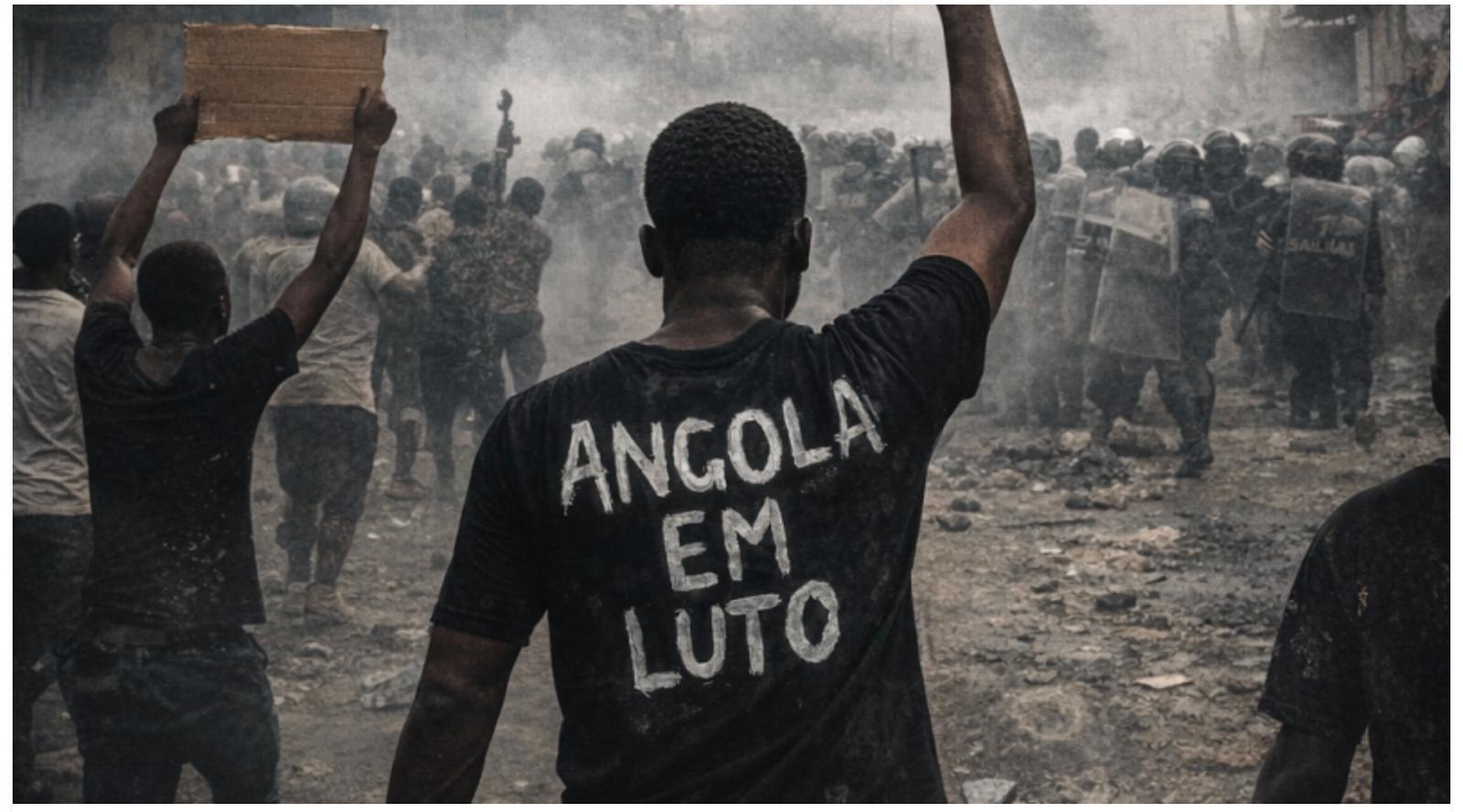
In July 2025, Angola experienced one of the most serious episodes of state repression since the end of the civil war. What began as a taxi drivers’ strike against rising diesel prices quickly evolved into a wave of popular protests across several provinces, reflecting a deep socio-economic crisis: inflation above 27%, continued depreciation of the kwanza, high youth unemployment, and worsening multidimensional poverty.
The response from defense and security forces was marked by the use of live ammunition, arbitrary detentions, and alleged summary executions. The human toll, according to the report prepared by the UNITA Content Office – National Union for the Total Independence of Angola – is devastating: 90 confirmed deaths, of which 59 cases are individually documented and 31 were reported by local sources.
A Nationwide Map of Violence
The data reveal that the repression had a national scope. Luanda accounted for 47 victims (52.2% of the total), followed by Malanje (20), Lunda-Norte (9), Huambo (8), Cuando Cubango (5), and Huíla (1). Among the most affected municipalities were:
-
Kilamba Kiaxi (15 victims)
-
Cacuaco (9)
-
Mulenvos (7)
-
Cazenga (5)
Most deaths were caused by gunfire (76.3%), followed by asphyxiation from tear gas (10.2%) and beatings (8.5%).
The profile of the victims is equally alarming: young people between the ages of 18 and 35 represent the majority of cases, but children, adolescents, and elderly individuals are also among the deceased.
Stories That Cannot Be Forgotten
Beyond the statistics, the report presents concrete stories illustrating the human dimension of the tragedy:
-
Maria Mubiala, 32, shot in the back while attempting to protect her child in Viana
-
Fernanda Victorino, 13, killed in Cacuso, allegedly by a police commander
-
Manuel Escovalo Tomás, a teenager shot dead outside his school in Malanje
Accounts point to close-range shootings, the use of military-grade ammunition, severe physical assaults, and detentions carried out without judicial warrants.
A Troubling Pattern
The report argues that the events of July 2025 are not isolated. They fit into a documented pattern since 2011, including episodes such as Monte Sumi (2015), Cafunfo (2021), Cambambe (2022), and Huambo (2023).
According to the analysis, the absence of independent investigations and the persistence of impunity have contributed to the recurrence of repressive practices. The lack of institutional accountability reinforces a cycle in which excessive use of force becomes normalized.
Constitutional and International Implications
The facts described raise serious legal concerns. The report points to possible violations of:
-
Article 30 of the Constitution of the Republic of Angola (right to life);
-
Article 47 (right to peaceful assembly and demonstration);
-
International treaties ratified by Angola, including the International Covenant on Civil and Political Rights and the African Charter on Human and Peoples’ Rights.
There are also indications of extrajudicial executions, disproportionate use of force, and denial of medical assistance to detainees.
National and International Response
According to the report, several civil society organizations appealed to the United Nations to establish an international fact-finding mission.
The Office of the United Nations High Commissioner for Human Rights, as well as international organizations such as Amnesty International and Human Rights Watch, expressed concern over the use of lethal force against protesters.
To date, no official response has been received from these institutions.
What Is at Stake
More than a technical document, the report is a call for truth and justice. Ignoring the events of July 2025 may deepen mistrust between the state and society and perpetuate social instability.
Conversely, an independent, transparent, and impartial investigation—accompanied by effective accountability and reparations for victims—could represent a decisive step toward strengthening the rule of law and restoring public trust.
Angola now faces a historic choice: repeat cycles of repression or affirm an unequivocal commitment to constitutional legality, human rights, and the dignity of human life.
The country’s democratic future will depend on how it responds to this crossroads.